Oct 16, 2026Yoga Mat Guides
PU vs Natural Rubber Yoga Mat
A PU vs natural rubber yoga mat guide: how the top layer and the base work together, what each material is used for, and how to choose for your brand.
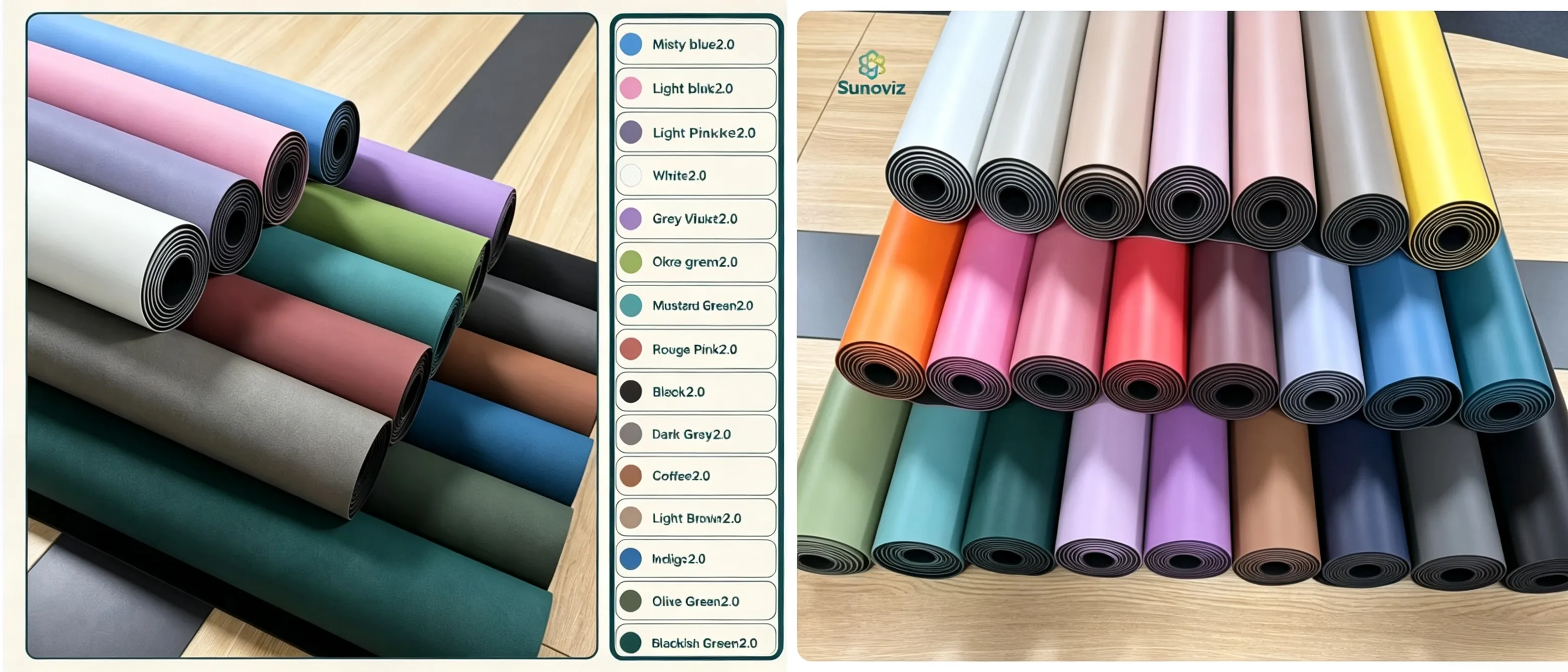
Most yoga mats are described by what you see and what you feel: the surface you practise on and the base that grips the floor. On our mats those are two different materials working as one.
The Top Layer Is PU
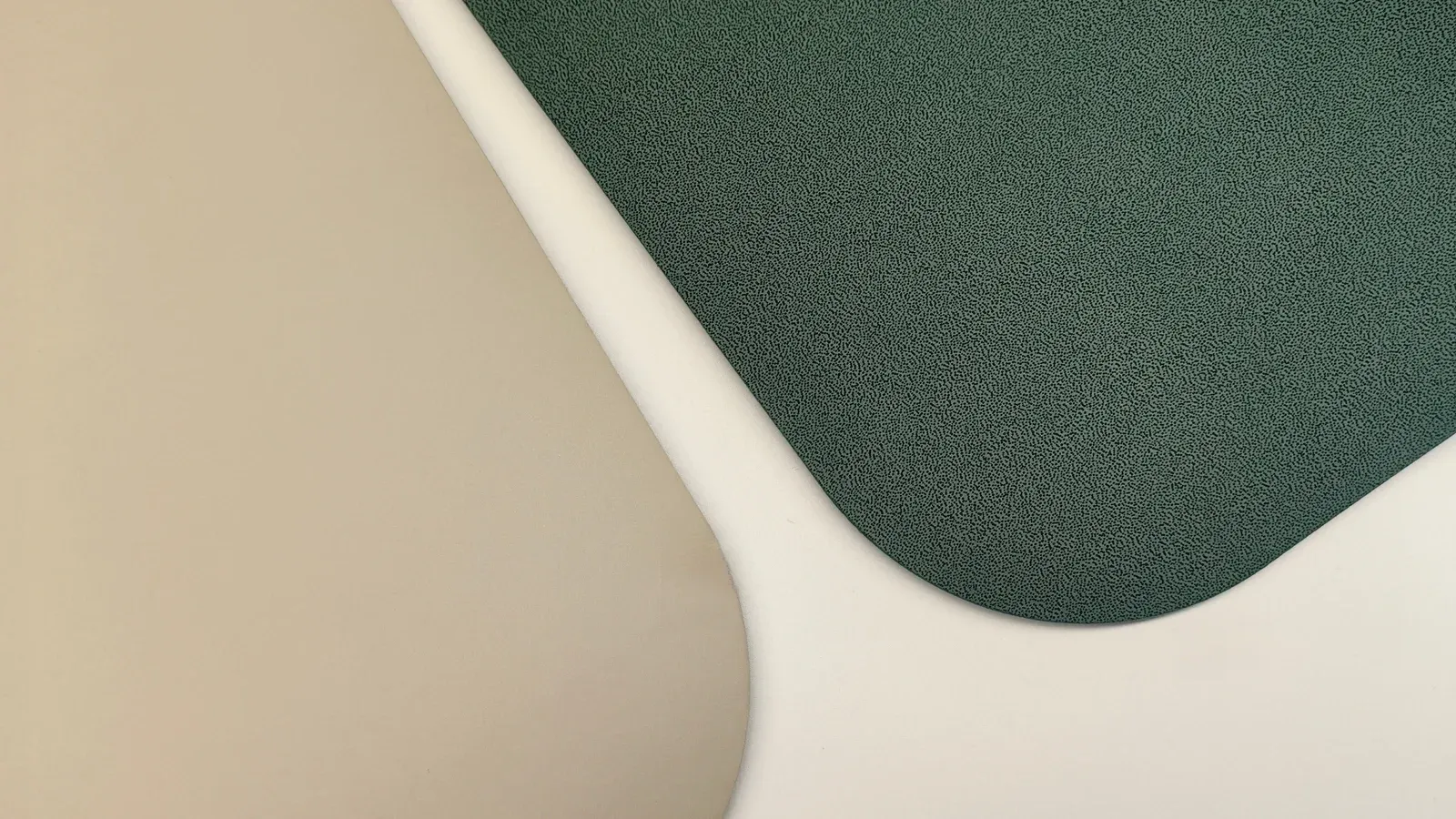
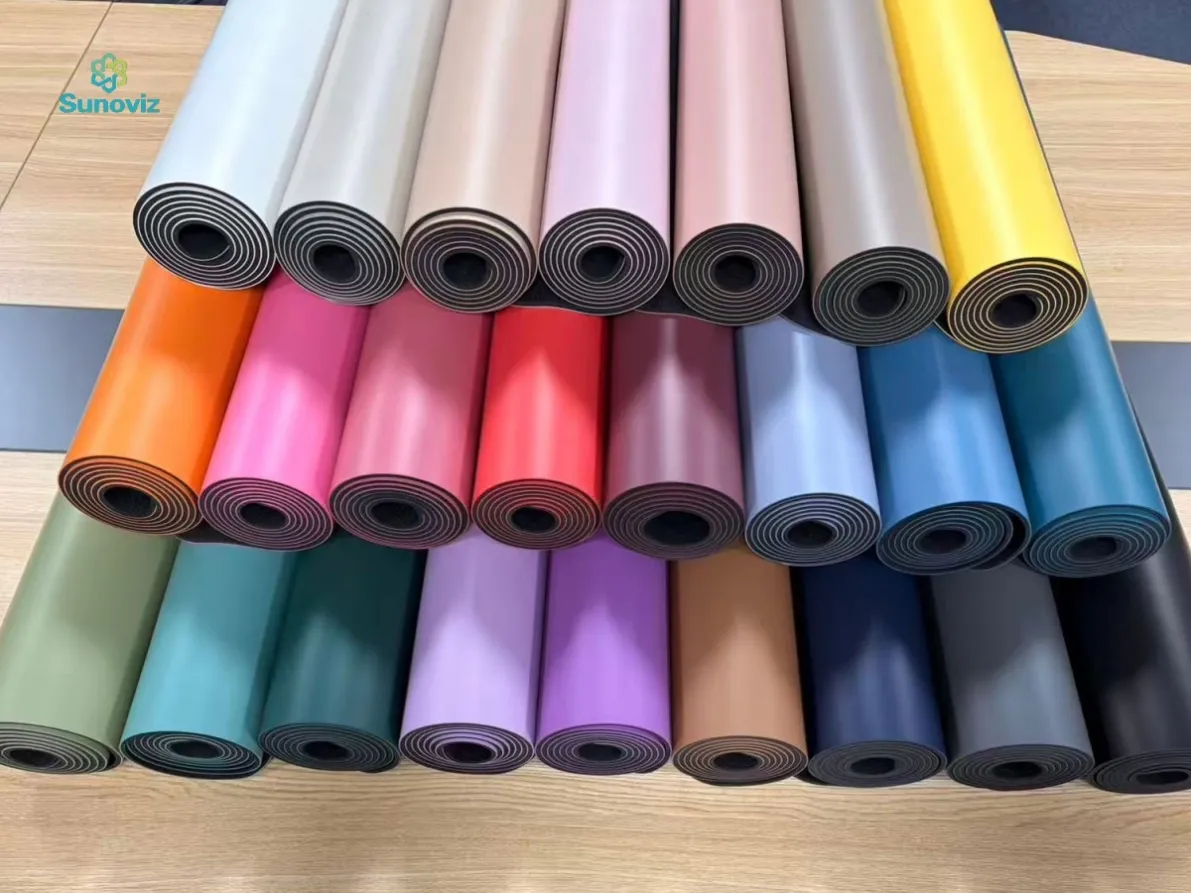
The top layer of our mats is PU — a matte surface that stays non-slip when it is wet or dry. It is the part you touch, so it is where colour, pattern and a printed or laser engraved logo sit. A matte PU face is also fade-resistant and wear-resistant, which is why it is the material we use for the face of our mats.
The Base Is Natural Rubber
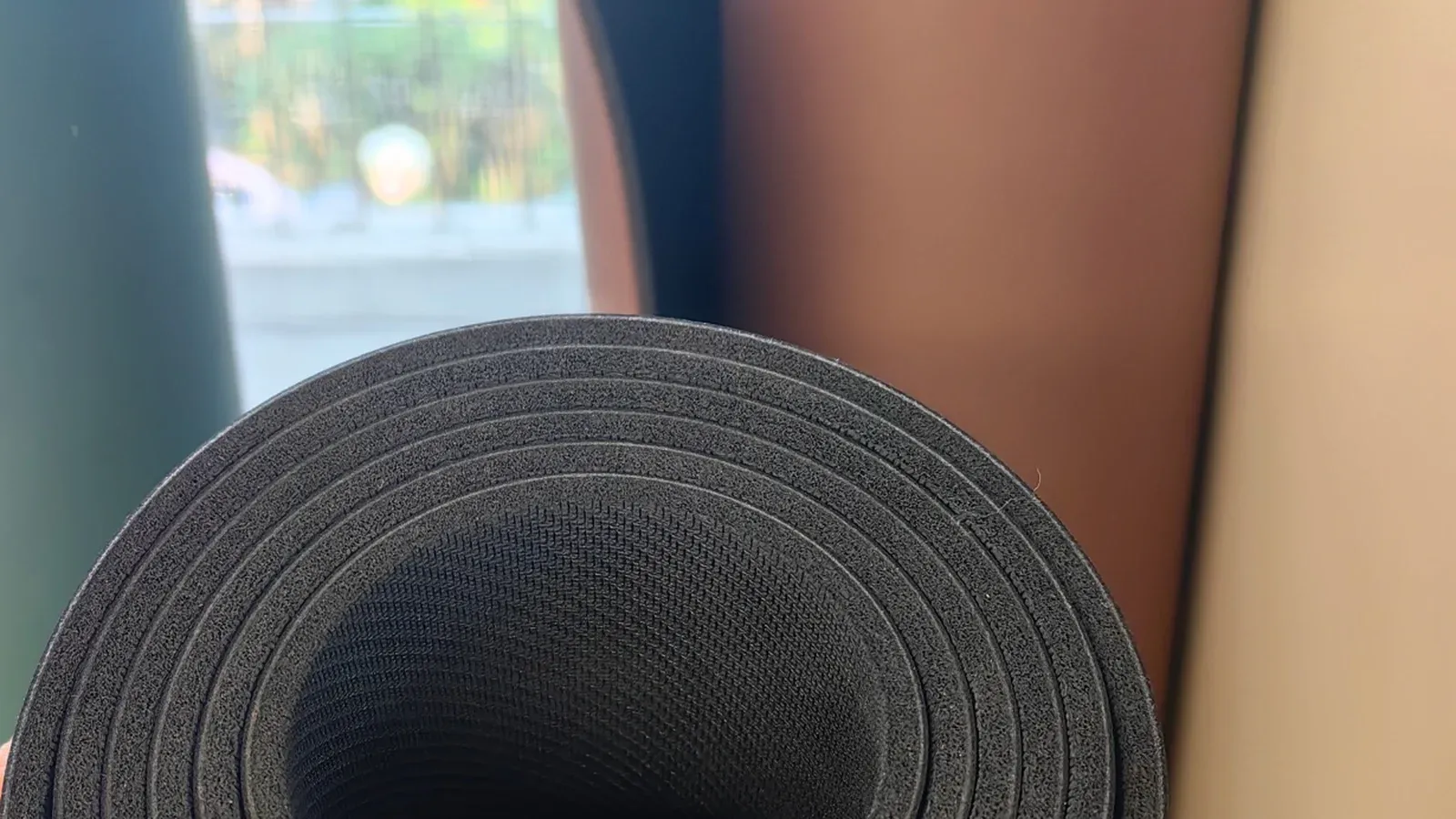
Under the PU layer is a natural rubber base. Its job is the opposite of the top: it grips the floor so the mat does not slide when you move, and it gives the mat its cushioning and rebound.
Why the Two Are Combined
A PU surface without a grippy base would slide; a rubber mat without a PU face would not hold a printed pattern or logo well. Combining them gives a mat that holds its grip for the practitioner and its branding for the brand. That is the construction behind every PU natural rubber mat in our range.
What This Means When You Choose
If you want a printed logo, a custom colour or a patterned surface, the PU top layer is what makes that possible. If cushioning is your priority, that comes from the rubber base and from how thick the mat is: we offer the range across 2mm, 4mm, 4.5mm and 5mm. If you need both, the standard PU-and-rubber build already covers it.